The best way to bake fast does not involve using less expensive baking supplies or using fast recipes to make the cake quick. The fastest baking method for baking is simply to shorten the amount of time spent on the structure of the cake, with no consideration given to what people will experience when they eat the cake – flavour, texture and finish.
The key reason that most baking shortcuts disappoint is because they do not actually save time at all – they only save time in places where it is least useful to do so. When it comes to desserts, consumers pay attention to the frosting, filling, texture, smell and whether or not the dessert appears “completed,” but they generally do not pay attention to things such as whether you rolled the crust yourself, double sifted/flour or built your cake base from scratch or a mix of cake mixes. So, if your goal is to avoid paying bakery prices while not making a Saturday long project out of baking your desserts, then your best approach to achieve both of these goals is via selective hybridization… buy that part of your dessert that will provide you with primarily “structure”, and then spend your time making the part of your dessert that will give your dessert its “Identity”.
TL;DR
- Shortcut the part people notice least, not the part carrying the flavor.
- Use boxed mix, frozen puff pastry, or pie crust for structure-heavy desserts; keep frosting, filling, glaze, fruit, or crunch homemade.
- A shortcut should save at least 20 to 30 minutes, one round of cleanup, or a specialty-ingredient purchase.
- For small bakes, the appliance matters too. The Department of Energy says toaster or convection ovens can use one-third to one-half as much energy as a full-sized oven for small meals. (energy.gov)
- Raw batter tasting is not a harmless shortcut. The FDA says flour is a raw food, and recipes served raw or undercooked should use pasteurized eggs or egg products where appropriate. (fda.gov)
- If a shortcut dessert tastes flat, fix flavor first with citrus zest, jam, browned butter, espresso, toasted nuts, or ganache before adding more sugar.
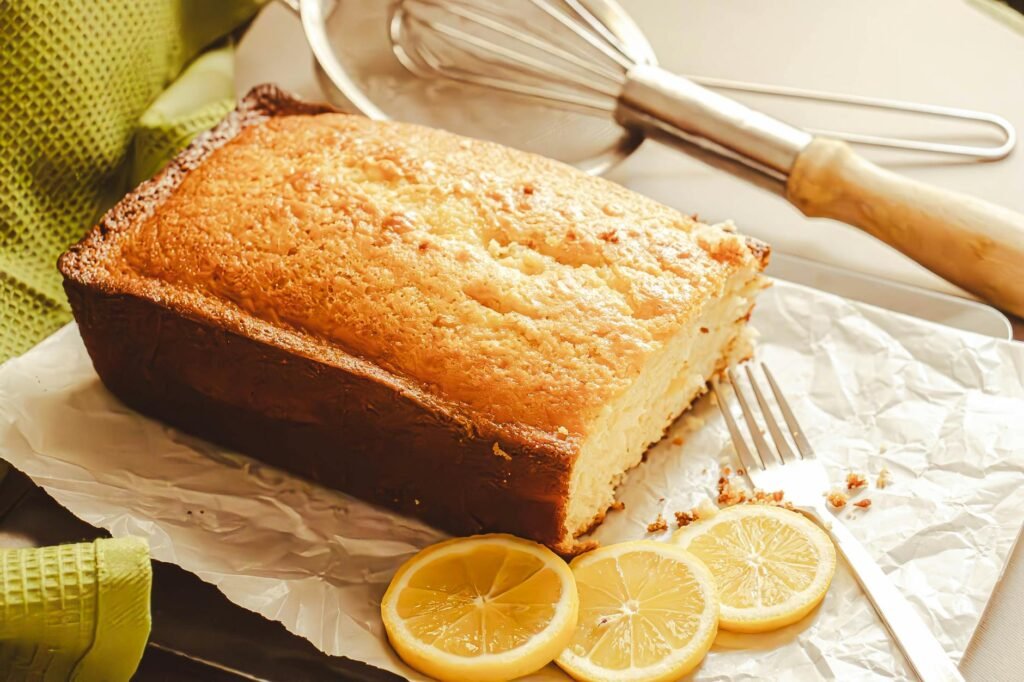
Use the TASTE Shortcut Scorecard
You can sort each of the dessert components through one single filter before purchasing: TASTE. It’s not meant to be perfect. It’s about identifying when you’re spending scratch level effort towards a dessert component when that component isn’t helping you earn your effort spent on it. When a shortcut saves you valid time but doesn’t impact the memory of the dessert by the end of it; it’s typically worthwhile to consider.
- T = Texture backbone. Does this part control rise, set, crispness, or sliceability?
- A = Aroma driver. Is this where the dessert gets its signature flavor, such as chocolate depth, lemon bite, vanilla aroma, or browned-butter richness?
- S = Safety sensitivity. Does it involve raw flour, raw eggs, custard, whipped cream, or anything that turns risky or unstable fast?
- T = Time saved. Does buying or pre-making it remove at least 20 minutes, extra dishes, or a stressful technique?
- E = Extra-ingredient waste. Will scratch baking force you to buy specialty items you will barely use again?
This is how the Decision-Making Rule works: If something has low scores on its texture and aroma, but has high scores for time savings and additional ingredients waste, then it should be shortcut. On the other hand, if you have a high score in either the aroma or safety sensitivity columns, then you should control it yourself by making it yourself or purchasing a higher-quality ready-made. An example would be frozen puff pastry, which works very well, while cheap frosting would display the shortcut immediately.
The shortcuts worth using most often
| Dessert goal | Shortcut freely | Keep homemade or upgrade | Why it works | Best use case |
|---|---|---|---|---|
| Birthday layer cake | Boxed cake mix or plain bakery cake layers | Frosting, filling, soak, and finish | People remember the frosting and flavor contrast more than the measuring method | Birthdays, school parties |
| Brownies or blondies | Boxed mix | Melted butter, glaze, espresso, nuts, flaky salt | The mix handles structure; the finish carries the payoff | Potlucks, bake sales |
| Fruit pie or galette | Frozen crust | Fruit filling and topping | A good filling makes the dessert taste intentional even if the crust was purchased | Holiday weekends |
| Tart or puff pastry dessert | Frozen puff pastry | Pastry cream, whipped filling, fruit, glaze | Lamination is labor-heavy; the flavor memory usually comes from the filling | Brunch, company dessert |
| Cheesecake bars | Store crust only if needed | Filling and topping | Texture is the whole dessert, so the batter is not the place to cut corners | Dinner parties |
| No-bake mousse or meringue dessert | Do not shortcut with raw eggs | Use pasteurized egg products or choose another dessert | Speed is not worth a food-safety risk. (fda.gov) | Showers, mixed-age gatherings |
The biggest exception is anything that tempts you to taste or serve uncooked batter. The FDA says flour is a raw food, cooking is the reliable kill step for flour-and-egg mixtures, and the Food Code calls for pasteurized eggs or egg products in preparations such as meringue and ice cream when the eggs are not thoroughly cooked. (fda.gov)
A realistic numbers example: dessert for 20 without the bakery markup
Take a family birthday dessert for about 20 servings. The useful comparison is not scratch versus mix in a vacuum. It is bakery versus full scratch versus hybrid. As of the latest April 2026 data, average U.S. prices were about $0.54 per pound for all-purpose flour, $1.01 per pound for sugar, $2.25 per dozen large eggs, and $4.22 per pound for regular butter. The U.S. Energy Information Administration projects average residential electricity at 18.2 cents per kilowatt-hour in 2026. (data.bls.gov)
Now build three versions. A bakery cake might run $35 to $45 in many markets. A full-scratch layer cake can look cheaper if you already own pans and already stock cocoa, vanilla, parchment, and decorating basics. But the out-of-pocket cost rises fast when one recipe sends you out for buttermilk, extra butter, sprinkles, and a filling you will not use again. A hybrid version using a common $2.50 mix, four eggs, about half a pound of butter in the frosting, and one strong flavor upgrade such as jam, citrus curd, coffee, or ganache can land around $14 to $18 plus under an hour of active work. That is the finance case for smart shortcuts: not blind cheapness, but fewer specialty purchases, fewer failure points, and a lower time cost.
If the bake is small, the appliance choice matters too. The Department of Energy says toaster or convection ovens can use one-third to one-half as much energy as a full-sized oven for small meals. That is not life-changing money on one batch, but it is a sensible habit if you are baking a few cookies, a small pan of bars, or reheating a fruit crisp. (energy.gov)
A fast hybrid plan that still tastes intentional
- Start with the format, not the recipe. If time is tight, default to bars, sheet cakes, cobblers, crisps, or simple tarts. They hide shortcuts better than fussy layer cakes with delicate assembly.
- Choose only one purchased structural component. That might be boxed brownie mix, frozen puff pastry, pie crust, or graham crust. Do not shortcut every layer of the dessert.
- Add one signature flavor that reads as deliberate. Good options are espresso in chocolate desserts, citrus zest in glaze, real jam between layers, toasted nuts, browned butter, or a quick fruit compote.
- Upgrade the finish people notice first. A shiny ganache, thick cream-cheese swirl, dusting of cocoa, a clean berry topping, or a salted caramel drizzle does more for perceived quality than most extra mixing steps.
- Keep the look neat. Trim edges, cool fully before frosting, wipe the plate, and cut even portions. A tidy dessert reads as planned, even when part of it came from a package.
- Time-shift where possible. Bake the base one day, finish it the next, and use the freezer or refrigerator as a scheduling tool rather than cramming every task into the last hour.
The upgrades people notice first
- A thin layer of jam between cake and frosting
- Fresh citrus zest in glaze, whipped cream, or sugar
- Toasted nuts, coconut, oats, or sesame for contrast
- A pinch of flaky salt on chocolate, caramel, or brownies
- Browned butter in frosting, blondies, or crumb topping
- Real whipped ganache or simple cocoa frosting instead of plain canned frosting
- Strong coffee or espresso powder in chocolate desserts
- Fresh fruit or quick compote instead of random sprinkles
Warning: Do not treat raw batter tasting as a harmless baking perk. The FDA says flour is a raw food, home heat-treating does not reliably make it safe, and recipes served raw or undercooked should use pasteurized eggs or egg products. When a recipe is meant to be fully cooked, egg dishes should reach 160°F. (fda.gov)
Common mistakes that make a shortcut dessert taste cheap
- Using the cheapest frosting as the main flavor. This is the shortcut guests notice first.
- Stacking too many shortcuts at once, such as boxed mix, canned frosting, bottled topping, and store-bought garnish all in one dessert.
- Saving time on both the base and the finish. Shortcut one major component, not the entire dessert.
- Overbaking mix-based cakes and brownies because you expect them to need extra time.
- Buying a specialty ingredient to save money. A shortcut is not frugal if it leaves you with half-used containers that expire.
- Ignoring texture contrast. Soft-on-soft desserts can taste flat even when the flavor is good.
- Skipping the clean finish. Uneven slices, warm frosting, messy pans, and smeared plates can make a decent dessert look careless.
When the easy plan is not enough
There are certain desserts that can’t be made quickly because the totality of the ingredient being sourced is meant to make up for the taste. For example, the filling plays the primary role of cheesecake; the curd balance of lemon bars is its defining characteristic; caramel is the flavor, not a support system; the technique required for French macarons, choux pastry, angel food cake and dessert-based on meringues dictates the texture and presentation. For these types of desserts, you are generally better off selecting an easier dessert that is more cost-effective than the alternative of rushing through the preparation of a “special occasion” dessert, which could result in the loss of the desired texture and/or appearance. For example, making a solid batch of brownies, a fruit crisp, or shortcake to go along with a good piece of fruit will frequently yield a better result than rushing through the preparation of a special occasion dessert with texture problems.
Backup moves when the first plan falls short
- If cake layers taste plain, brush them with simple syrup, coffee syrup, or citrus syrup before frosting.
- If the pie crust tears, stop fighting it and turn the dessert into a rustic galette.
- If your filling looks loose, shift to parfait cups or a trifle instead of forcing a neat slice.
- If frosting tastes too sweet, add contrast with dark chocolate, tangy jam, toasted nuts, or a pinch of salt.
- If time disappears completely, pivot to bars, crisps, or sundaes instead of serving a half-finished ambitious dessert.
How to pressure-test your own shortcut system
- Run one side-by-side test. Bake one fully scratch version and one hybrid version of the same dessert.
- Track active minutes, not just total time. Oven time matters less than hands-on effort on a busy weeknight.
- Write down every leftover ingredient you created. That is part of the cost, even if it is not on tonight’s plate.
- Serve a blind taste to three or four people and ask what they noticed first: frosting, filling, texture, crust, or overall flavor.
- Keep only the shortcuts that save time and still score well on taste, appearance, and cleanup.
- For custards, cheesecakes, and other egg-heavy bakes, verify doneness with a thermometer or a recipe-specific cue rather than guessing. FoodSafety.gov lists 160°F for egg dishes. (foodsafety.gov)
Bottom line
Preventing work is the basis of good baking shortcuts by making selective decisions about which elements to be homemade and which ones should be done away from home. By using the TASTE filter, you can preserve at least one strong-flavored component as homemade while also avoiding the use of unsafe raw-batter methods to re-purpose the cost and effort you have put into the creation of your dessert. Using bakery-style shortcuts will provide you with more time to prepare your dessert, and will save you money because you will not need to buy or make additional ingredients that will provide your desserts with a rushed or unprofessional taste.
FAQ
What is the safest first shortcut if I usually bake from scratch?
Begin with desserts that require more of an emphasis on structure than on bragging rights: brownies, blondies, sheet cakes, fruit crisps, and frozen-crust pies. Next, create your own dessert topping, glaze, frosting, or filling. The resulting dessert will feel more personal to you while not creating an overwhelming project.
Is boxed cake mix actually cheaper than baking from scratch?
Sometimes yes, sometimes no. Flour and sugar are still relatively inexpensive, but butter is a major swing ingredient. The better question is whether scratch baking forces an extra shopping trip, more cleanup, or half-used specialty ingredients. That is where the hybrid method often wins. Latest April 2026 BLS data put flour at about $0.54 per pound, sugar at about $1.01, eggs at about $2.25 per dozen, and regular butter at about $4.22 per pound. (data.bls.gov)
What shortcut should I avoid if taste matters most?
Canned frosting is typically not a good idea for the top of a cake. In most cases it has a less desirable flavour than the cake underneath. If you need to use a quick method of frosting your cake then something like cocoa frosting, whipped cream ganache, cream cheese glaze or lightly sweet whipped cream can provide you with an acceptable finish for a reasonable amount of time spent in preparing them.
Can I use raw flour or home heat-treated flour for quick edible dough?
The FDA says flour is a raw food and specifically says home treatments of flour may not effectively kill all bacteria or make it safe to eat raw. If you want edible cookie dough, use a product specifically made and labeled for ready-to-eat use rather than improvising with standard flour. (fda.gov)
Do no-bake frostings or meringues need pasteurized eggs?
If the eggs will be served raw or undercooked, that is the safer approach. The FDA advises using eggs treated to destroy Salmonella or pasteurized egg products for recipes such as homemade ice cream and other undercooked preparations, and the FDA Food Code calls for pasteurized eggs or egg products in items such as meringue when they are not thoroughly cooked. (fda.gov)
Does a toaster oven really save enough money to matter?
For one occasional dessert, the savings are modest. For repeated small bakes, the habit can be worthwhile. The Department of Energy says toaster or convection ovens use about one-third to one-half as much energy as a full-sized oven for small meals. With average U.S. residential electricity projected at 18.2 cents per kilowatt-hour in 2026, that is a small but real cost difference over time. (energy.gov)
References
- FDA: Handling Flour Safely – https://www.fda.gov/food/buy-store-serve-safe-food/handling-flour-safely-what-you-need-know
- FDA: What You Need to Know About Egg Safety – https://www.fda.gov/food/buy-store-serve-safe-food/egg-safety-what-you-need-know
- FDA Food Code 2022 PDF – https://www.fda.gov/files/food/published/FDA-FoodCode2022-FullDocument-01182023_0.pdf
- FoodSafety.gov: Safe Minimum Internal Temperatures – https://www.foodsafety.gov/food-safety-charts/safe-minimum-internal-temperatures
- USDA FSIS: Shell Eggs From Farm to Table – https://www.fsis.usda.gov/food-safety/safe-food-handling-and-preparation/eggs/shell-eggs-farm-table
- DOE Energy Saver: Kitchen Appliances – https://www.energy.gov/energysaver/kitchen-appliances?linkId=693400332
- EIA: Short-Term Energy Outlook, Residential Electricity Prices – https://www.eia.gov/outlooks/steo/report/elec_coal_renew.php
- BLS: CPI Average Price Data Fact Sheet – https://www.bls.gov/cpi/factsheets/average-prices.htm
- FRED: Average Price of Flour in U.S. City Average – https://fred.stlouisfed.org/data/APU0000701111
- FRED: Average Price of Butter, Stick, in U.S. City Average – https://fred.stlouisfed.org/data/APU0000FS1101
- BLS: Average Retail Food and Energy Prices, U.S. City Average – https://www.bls.gov/regions/mid-atlantic/data/AverageRetailFoodAndEnergyPrices_USandWest_Table.htm